I’m writing these tips on procrastination because I read a research article that stated more than 70% of university students struggle with procrastination. It’s something I struggle with also. Something I noticed is that the temptation to procrastinate is quite strong when I switch from a manual task to a mental task. In the past, this has sent me down a procrastination rabbit hole where I’m really just trying to avoid the big mental task I need to do like write a paper. Working on a short manual task can feel instantly rewarding. You clean a room then when you look back, you get an immediate sense of satisfaction. You see the difference from what the room was like before you started cleaning to how it looks after you are done. But the same instant gratification isn’t there when you are writing a book or paper or doing any kind of intellectual work.
A quote I love that captures this sensation is: “Writing a novel is like telling a joke and waiting ten years to find out if anyone thought it was funny.”
Writing requires a great deal of patience. Getting to know yourself better really helps. It explains why so many writers and philosophers often went on long nature walks or exercised. The physical exertion can help clear away the cobwebs of the mind and grants you a sense of accomplishment. Being aware of this phenomenon can help you manage your expectations so you don’t feel disappointed when the same motivation isn’t available to you for mental tasks as they are with manual tasks.
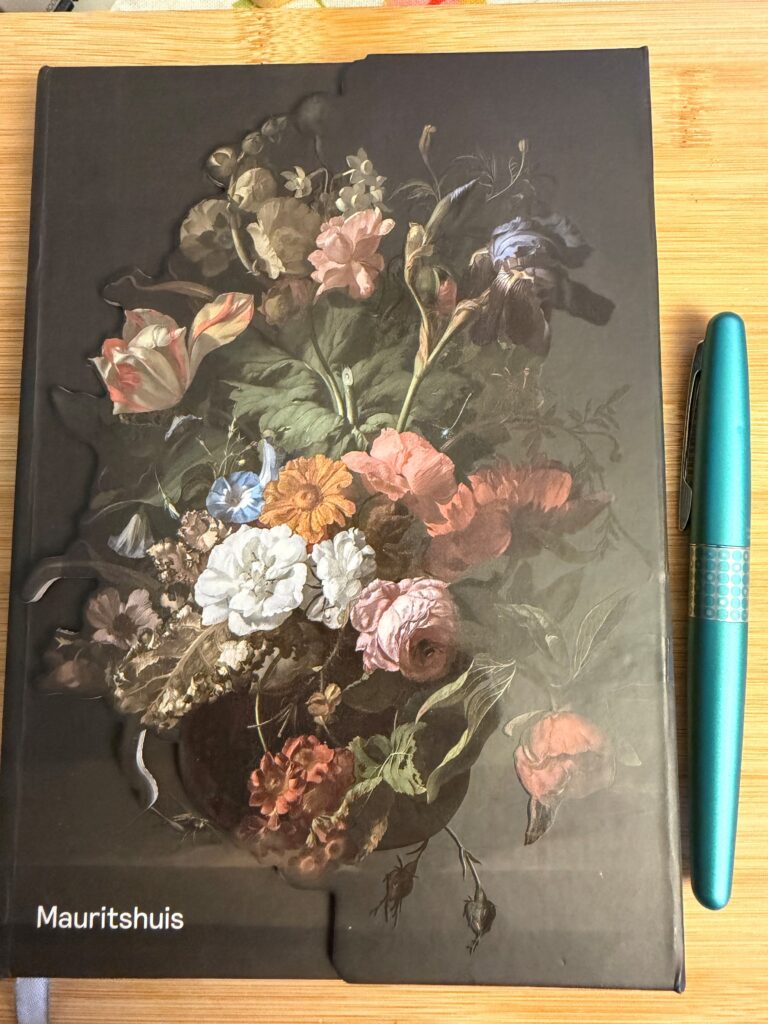
There is a mind trick that helps ease me into mental tasks. It’s not fixating on the big goal but a smaller one that will help you achieve the larger goal. I take a large mental task like writing a paper and break it into small, achievable tasks. Instead of focusing on the larger task of writing 15 pages of a research paper. I’ll sit down at my desk and give myself a small goal of: find 2 research articles that I can use, add it to my excel file with the full citation, author’s name, etc and stop after twenty minutes. I take a short break which feels like a reward then start again on another small task. I make a list of these small task items ahead of time, a day of planning before those workdays so I can plough through them without stopping to think about what to work on next. (Anytime I stop and my mind starts to wander, there’s a danger I could fall down another procrastination rabbit hole.) So I write down my ideas in a journal with my favorite fountain pen to make those planning days more pleasurable and something to look forward to. See photo below.
This has really helped me develop stamina to stick to a long term goal. It’s the same for a monumental physical goal. You can lose motivation and momentum when trying to train for a marathon. It can feel like an impossible goal. But if you give yourself a goal of running for one block then incrementally increasing that goal further each time you achieve that target goal, you can ride on the coattails of the dopamine hit that you feel on seeing yourself achieving a small goal. It’s even better to call them wins. Every step counts. Every move forward matters, no matter how small. Have you used these types of tricks to keep you motivated? Please share your thoughts and tips in the comments below. Thanks for reading and sharing!